


Featured Post

Making the Extra Effort
As part of the work that I do as a performance coach for organizations that participate in financial markets, I interview candidates for employment. It is very competitive to get a position at a top hedge fund or proprietary trading firm; there are dozens of candidates—and often many more—even for internship and entry level positions. […]
Read More Brett Steenbarger posted in: Career Development, Intern Advice
Latest from our Blog

Reviewing Your Year
One of the popular traditions among the people I work with is a year-end review of their development and performance. Out of this review comes a plan for the year ahead: What do you want to get out of 2022 in your personal life, in your relationships, in your education, and in your career development? […]
Read More
Brett Steenbarger posted in: Career Development, Intern Advice
How Positive Is Your Psychology?
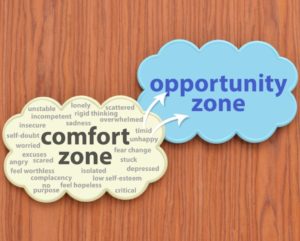
One of the questions I’m most frequently asked by busy students and professionals is how they can best manage their stress. Recent research in psychology suggests that this might be the wrong question. Stress is inevitable in situations that challenge us, and we cannot grow—as people or professionals—if we are not challenged. Internships with organizations […]
Read More
Brett Steenbarger posted in: Career Development, Intern Advice

Focused, Intensive Goal Setting: Making FIGS Work for You
In a blog post from last year, we took a look at how we can improve our performance—in school, during internship, and on the job—by setting goals that are SMART: Specific Measurable Achievable Realistic Time-Bound Goals steer our efforts and help us make improvements in the areas that matter most to us. By ensuring that […]
Read More
Brett Steenbarger posted in: Career Development, Intern Advice

Connect-123 Wins 2021 Innovation in Alumni Engagement Award
We’re excited to have recently been chosen as the winner of the 2021 Innovation in Alumni Engagement Award and are honored to receive this recognition! Since 2006, thousands of students have interned abroad through Connect-123 and learned valuable skills that they’ve used in their subsequent career development. As program graduates, they’ve participated in our […]
Read More Steven Levy posted in: Career Development, What We're Up To

The New Return to the Old Workplace
I recently published an article for the Forbes business site that discusses the reopening of many workplaces in coming months. For example, several trading firms and hedge funds where I consult will be gradually reopening their offices this summer. That will be a big change for employees who have been working from home during the […]
Read More
Brett Steenbarger posted in: Career Development, Intern Advice

Three Things That Go Into Every Good Cover Letter
One of the most overlooked parts of a job application is the cover note that accompanies a resume. Many students spend a good amount of time on their resume, but then send out the same generic cover note to all employers. That is a big mistake. The cover letter is often the first thing that […]
Read More
Brett Steenbarger posted in: Career Development, Intern Advice

Why Virtual Internships Will Continue To Be An Important Part Of College Education
At this time last year, we would have never dreamed that virtual internships would become such an important part of the education landscape, contributing to career readiness and helping students discover and maximize their strengths. When the pandemic first hit and led to a shutdown of in-person internships, it seemed like a painful ending indeed. […]
Read More
Brett Steenbarger posted in: Career Development, Intern Advice

How The Right Internship Is An Investment In Your Career
As the world opens up from the pandemic, we expect an increasing number of internship opportunities to become available, both in-person and virtual. This will make it possible to gain significant experience in unique workplaces and cultures and build skills that will add to your eventual career: skills of organization and productivity, communication skills, cultural […]
Read More
Brett Steenbarger posted in: Career Development, Intern Advice

Why Setting Goals Is Important For Your Internship
What do you want to get from your international work experience? How would you like your internship to prepare you for your career future? What will you take away from your internship that will make you a broader, better person? One of the first exercises Connect-123 interns complete is keeping a journal for goal setting. […]
Read More
Brett Steenbarger posted in: Career Development, Intern Advice
